Service / 01
Frontend.
Backend.
The whole thing.
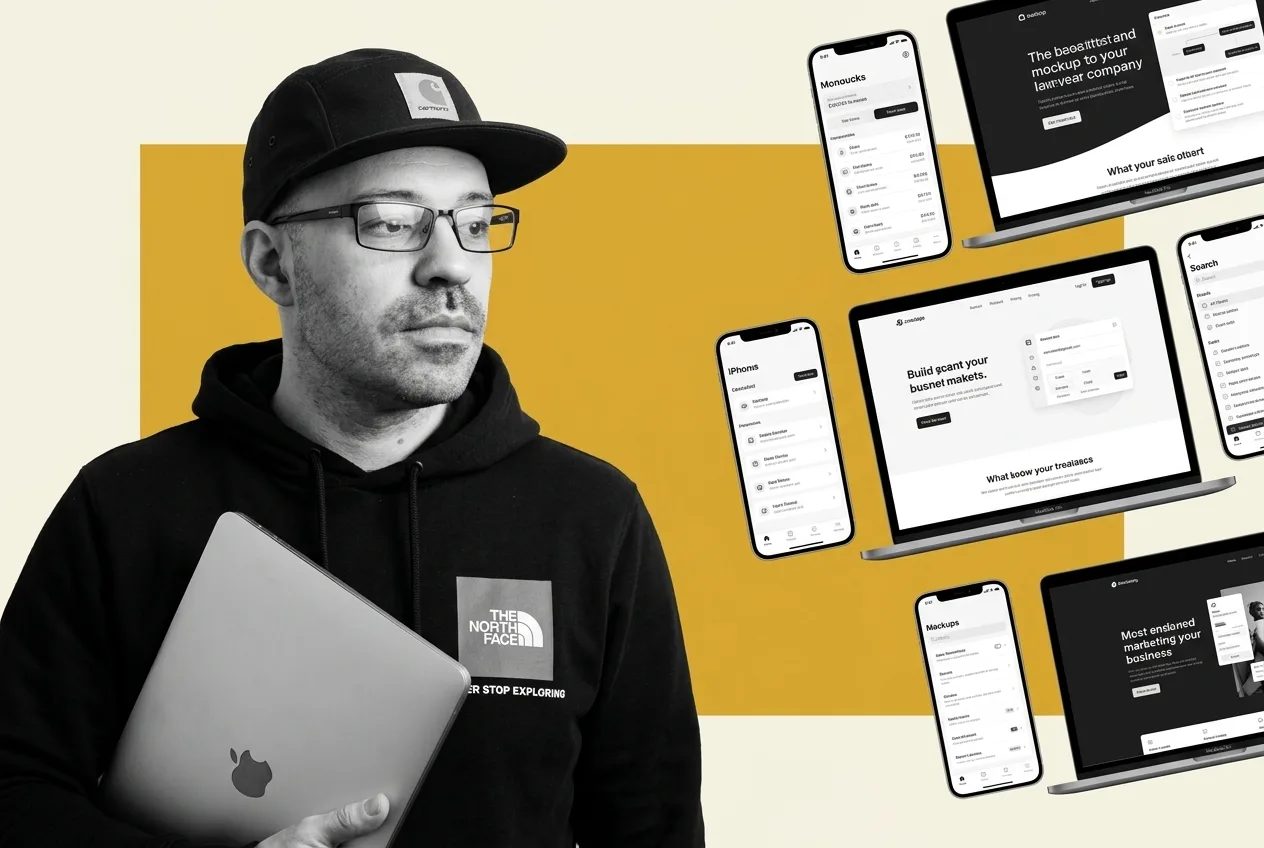
Custom web app builds. Frontend, backend, database, infrastructure. MVPs, SaaS, internal tools, and modernisation work — delivered as one engagement.
Service / 01 / Capabilities
What's covered.
MVPs
Get something in front of users quickly. MVPs that won't need a complete rewrite when you start scaling.
SaaS applications
Multi-tenant apps with auth, billing, and the infrastructure to handle paying customers.
Internal tools
Admin dashboards, workflow automation, and the internal systems that save your team hours every week.
APIs
REST and GraphQL with Node.js or Laravel. Proper error handling, documentation, the boring stuff that matters.
Database work
PostgreSQL, MongoDB. Schema design, migrations, query tuning.
Legacy modernization
Moving old apps to modern stacks. Bit by bit, so you're not betting everything on one big rewrite.
10+ years senior delivery
Why me
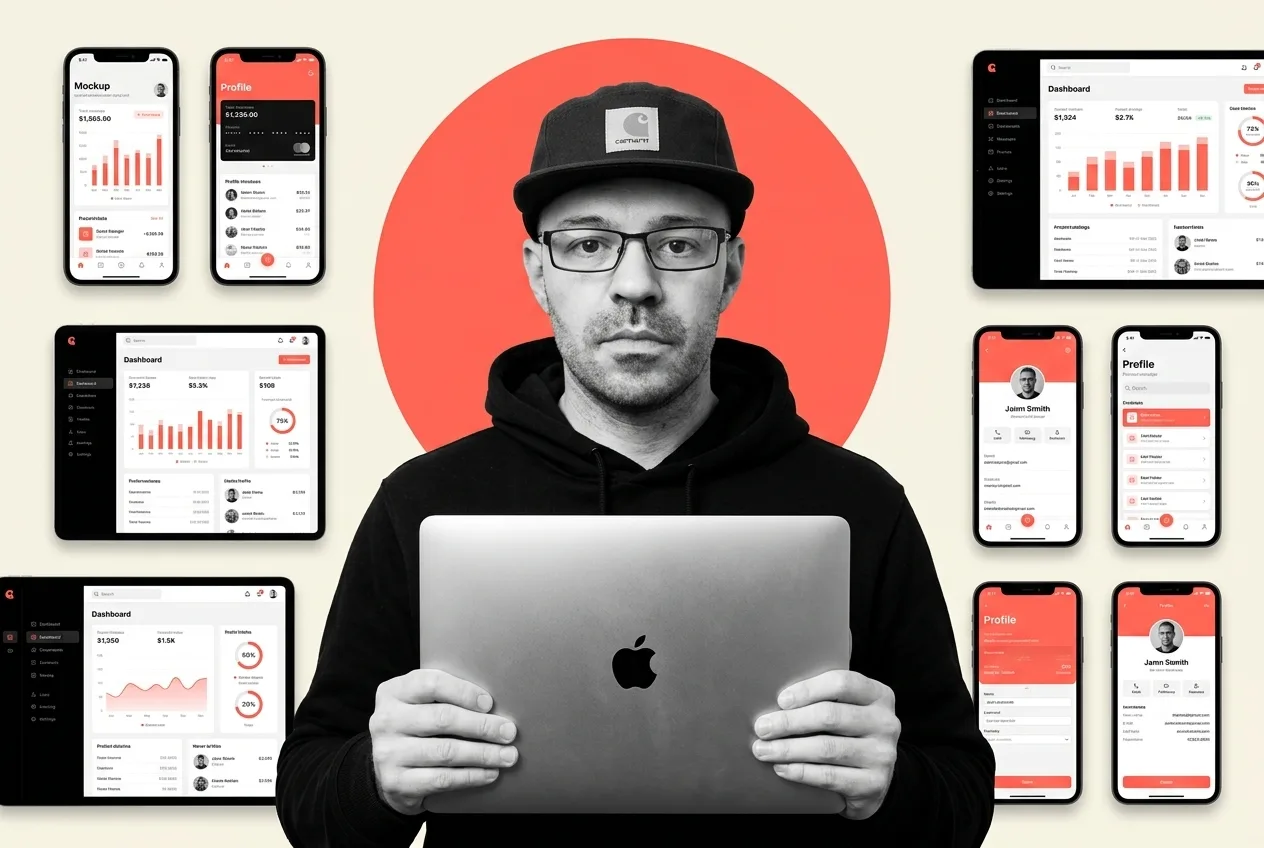
Senior delivery you don't have to project-manage.
Sometimes you need someone who can handle all of it — architecture decisions, code, deployment — and just deliver a working product. I ask a lot of questions first, recommend a stack that fits, ship in iterations, and stick around after launch so the handover actually sticks.
- Vue 3, Nuxt 3, React 19, Next.js 16, TypeScript across the frontend
- Laravel, Node.js, Express, PostgreSQL, MongoDB on the backend
- AWS, GCP, Docker, Vercel, Cloudflare for hosting and CI/CD
- Shipped iteratively. Deployment, monitoring, handover included
Engagement / Snapshot
A typical web application development engagement.
Lead time
<7
Days to start, contract permitting
Length
4-12
Weeks for fixed-scope work
Reply
<24
Hours, every working day
Day rate
POA
Quoted per engagement
FAQ / Web Application Development
Frequently asked
Q · 01
How do you choose the stack?
Tech choices follow requirements. I'll recommend a stack that fits what you need, what your team knows, and what you can afford. Not whatever's trending.
Q · 02
What does the engagement look like?
I ship working software in iterations. You see progress as we go, not just at the end. Deployment, monitoring, and handover are part of the work — your team can run things without me afterwards.
Q · 03
Who do you usually work with?
Startups that need someone who can make decisions, agencies needing extra capacity, enterprise teams with serious security and test requirements, and local businesses that need lead-driving websites and time-saving systems.
Q · 04
Frontend, backend, or both?
Both. I am most useful when one person can move across the stack — frontend, backend, database, infrastructure. Less handoff friction, faster decisions.
How I work
Remote-first. Async by default.
Inspired by Remote and the way Basecamp ran a distributed team without burning anyone out. Meetings are expensive, writing is cheap, and momentum belongs to whoever can make a decision without a calendar invite.
01 / Specs
Specs before code
A short written spec covering problem, scope, and acceptance before anything gets built. Cuts rework, makes review easier, and means we never argue about what was agreed.
02 / Workstreams
Workstreams over standups
Active work lives in tickets and PRs with running notes. Async updates instead of daily standups, so deep work is the default and meetings only happen when they earn it.
03 / Loom > Zoom
Loom over meetings
Most reviews and walkthroughs go out as a 5-minute Loom you can watch at 2× when convenient. We jump on Meet / Zoom / Teams when the topic actually needs a conversation.
Channels / Tools
Slack
Async, threaded, no expectation of instant reply
Loom
PR walkthroughs, demos, design reviews
Google Meet / Zoom / Teams
Booked when conversation > writing
Linear / Jira / GitHub
Source of truth for the work
Notion / Docs
Specs, decision records, retros
The pitch
I write the code, talk to your team, and ship what we agreed. No agencies. No PMs. No surprises.
James Donnelly
Freelance developer · Manchester